Why the kettle wall is the weak point
Molten zinc slowly attacks the steel of the kettle, and the attack speeds up as the wall gets hotter. A burner that throws heat onto one patch of wall creates a hot spot: the zinc eats through that area much faster than the rest, and a kettle that should last years can leak in months. Kettle steel is a special low-silicon grade for the same reason. For the burner system the rule is simple: get the heat into the zinc through as much wall area as possible, as evenly as possible, and never let a flame touch the kettle.
How kettles are fired
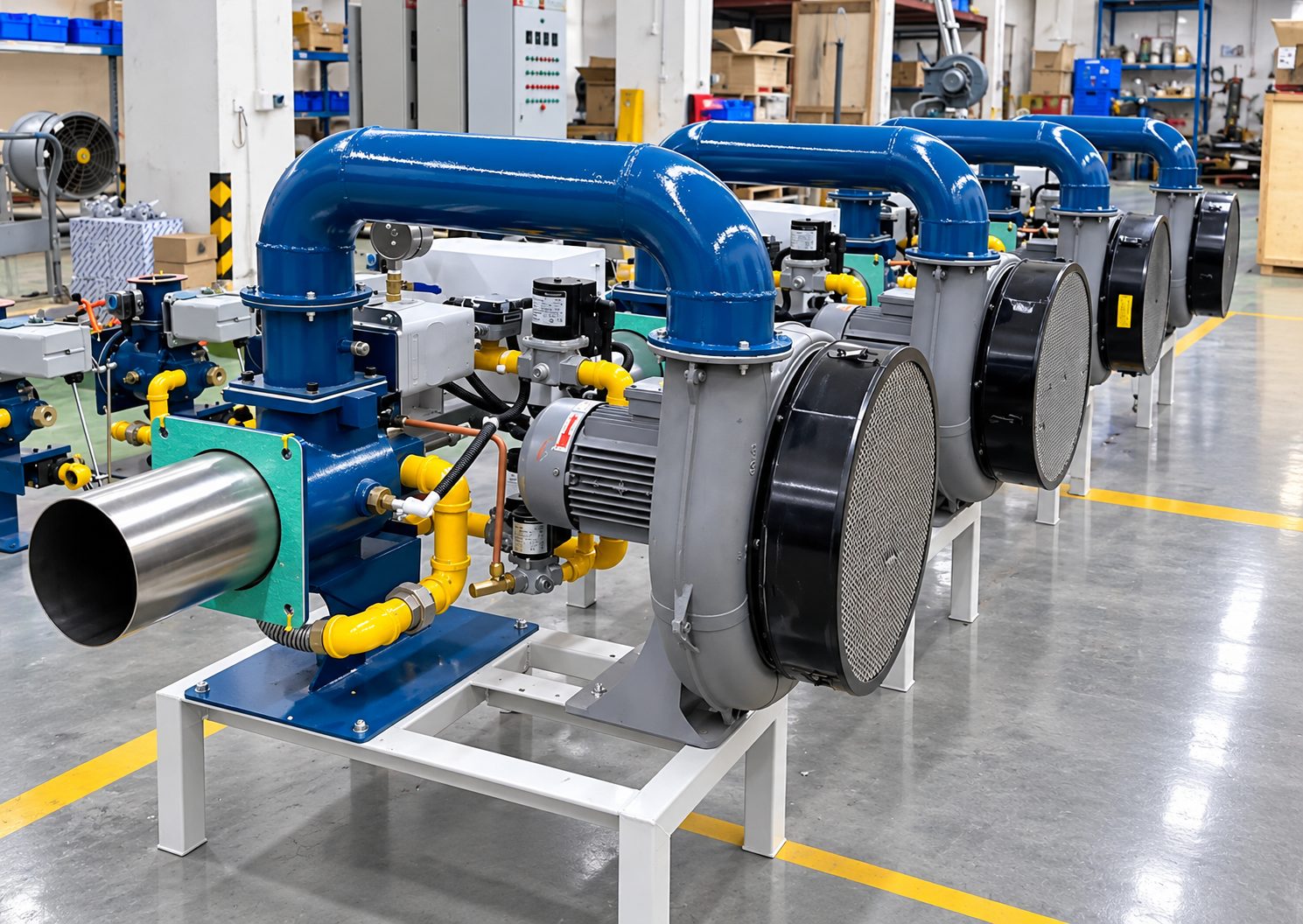
- High-velocity burners, pulse fired. Burners fire into the space between the refractory furnace wall and the kettle, usually from the corners or along the long sides. The fast jet sets the hot gas circulating around the kettle, so heat is spread rather than concentrated. Pulse firing switches each burner between high and low fire in sequence instead of turning the firing rate down, which keeps the gas moving even when the bath only needs a little heat. This is the most common layout on modern kettles.
- Flat-flame burners. The flame spreads across the furnace wall in a disc and radiates heat towards the kettle. Used on many large kettles.
- Older single-burner and impingement designs. One or two burners firing more or less at the kettle. These are the setups most often behind short kettle life and uneven bath temperature.
What the control system has to do
- Control on bath temperature, with a separate high-limit on the furnace (flue) temperature so the wall cannot overheat while the zinc is still cold, for example after a weekend shutdown or a heavy load.
- Start up slowly from frozen zinc. A full-fire start on a frozen bath overheats the wall above the solid zinc.
- Run each burner with its own flame supervision, and a full gas train with two safety shut-off valves (see valve proving and leak testing).
- Keep the air/gas ratio right across the range. Excess air wastes fuel; too little air means unburnt gas in the firebox.
Upgrading an existing kettle furnace
On an older furnace we look at where the burners fire, the gap between kettle and furnace wall, flue exits, and the furnace temperature profile before changing anything. Often the biggest gain comes from changing the firing pattern and controls rather than adding capacity. Fuel can be natural gas, LPG or diesel.
We supply high-velocity burners, gas trains and pulse-firing control panels for kettle furnaces. See high-velocity burners and turndown and pulse firing. Send us the kettle size, bath temperature and fuel, and we will propose a layout.
Checked by Eric Alden, sales manager at SENNISI, Shenzhen. Updated November 2026. Questions about this page: WhatsApp or [email protected].