
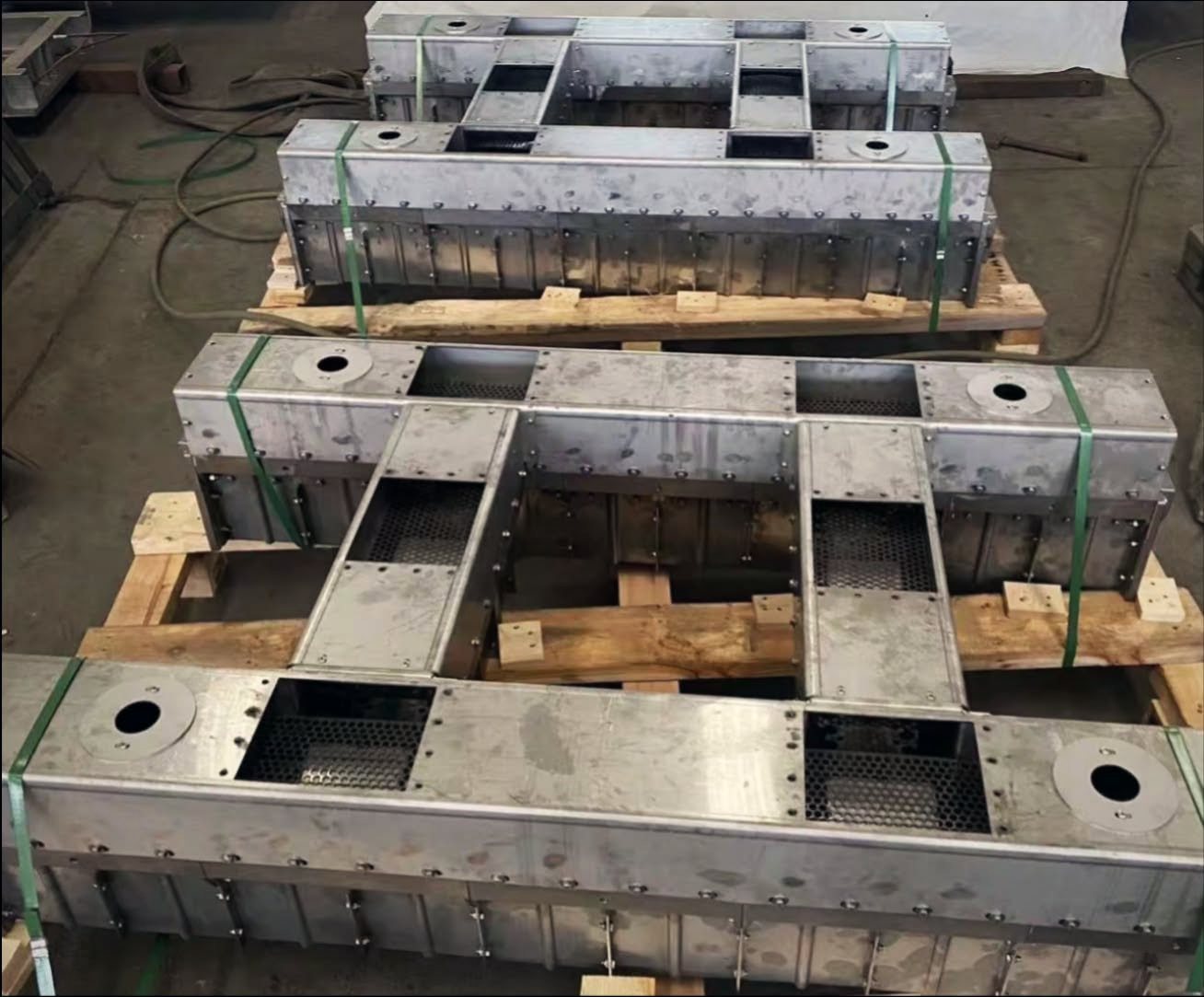
From Shenzhen we have shipped burners, gas trains, control panels and complete combustion furnaces to Taiwan, Thailand, Malaysia, Singapore, Indonesia, Vietnam, India, South Africa and Egypt. Every market has its own gas supply, power supply and import paperwork, and a burner system only works if it is built for all three.
We have shipped complete combustion furnaces to Bangkok, with a Form E certificate of origin so the buyer could claim the ASEAN–China preferential duty. Industrial estates on the pipeline network burn natural gas; plants away from it often use LPG, so we confirm the fuel and the supply pressure at the burner before choosing the gas train. Power is 400 V / 50 Hz three-phase.
Natural gas burners shipped for drying and process heating in Peninsular Malaysia, including a set of thirteen gas burners on pallets and a burner retrofit on an existing dryer line. Pipeline gas is available in most industrial areas of the peninsula; LPG elsewhere. Power is 415 V / 50 Hz. Form E applies.
Burners and parts for industrial customers, paid by T/T. Industrial users take piped natural gas or town gas, or LPG, and many projects in Singapore are engineered locally and installed in plants elsewhere in the region, so we match the documents and standards to the final site. Power is 400 V / 50 Hz. Form E applies.
Burners and spare parts for process heating. Pipeline natural gas reaches the main industrial zones of Java and Sumatra; many plants still run on LPG or diesel, so dual-fuel or easily converted burners are often the better choice. Power is 400 V / 50 Hz. Form E applies.
Burners for drying and heating lines. Pipeline gas is limited to a few industrial areas in the south, and most factories use LPG or CNG delivered by truck, sometimes with an on-site vaporiser. We size the gas train for the lower and less steady pressure these supplies can give. Power is 380 V / 50 Hz. Form E applies.
Combustion equipment for industrial customers, paid by T/T and shipped from Shenzhen. Taiwan runs on 60 Hz, not 50 Hz, so combustion air blower motors and any fan curves are chosen for 60 Hz: the same motor turns about 20% faster, and the blower output and motor load change with it.
Burners shipped LCL in wooden cases through Chennai, delivered on to the customer inland. City gas networks now supply piped natural gas to many industrial clusters, while others use LPG, diesel or furnace oil. Power is 415 V / 50 Hz.
Burners and parts for industrial heating. Natural gas supply from Mozambique is expected to decline sharply from around 2028, so many plants are planning dual-fuel burners that can run on gas today and on oil or LPG later. Our dual-fuel burner guide explains the options. Power is 400 V / 50 Hz.
Burners for industrial heating. Natural gas is the main industrial fuel, but supply has been cut back to industry during peak demand, so oil firing as a back-up is worth considering at the design stage. Power is 380 V / 50 Hz.
We are currently quoting and giving technical support on projects in South Korea and in the Gulf, in Saudi Arabia and the United Arab Emirates. In the Gulf, high ambient temperatures and dusty air matter for the combustion air blower and its filter, and many sites specify diesel as a back-up fuel; in Korea, projects usually come with detailed local electrical and safety requirements that we build the control panel to.
Roughly one to two weeks to Southeast Asian ports and Taiwan, two to three weeks to India, and three to five weeks to South Africa and Egypt, depending on the line and transhipment. Urgent spare parts can go by air.
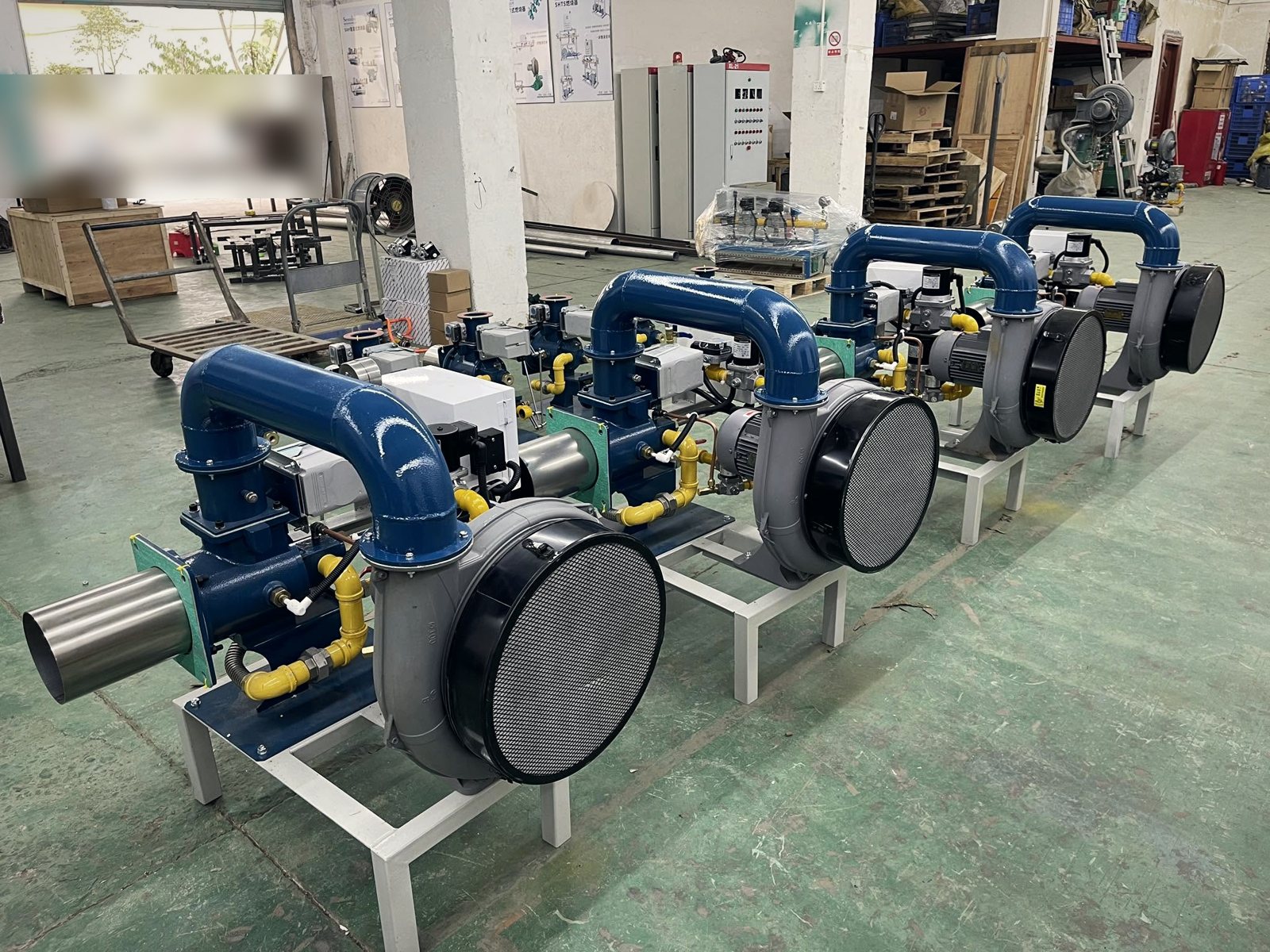
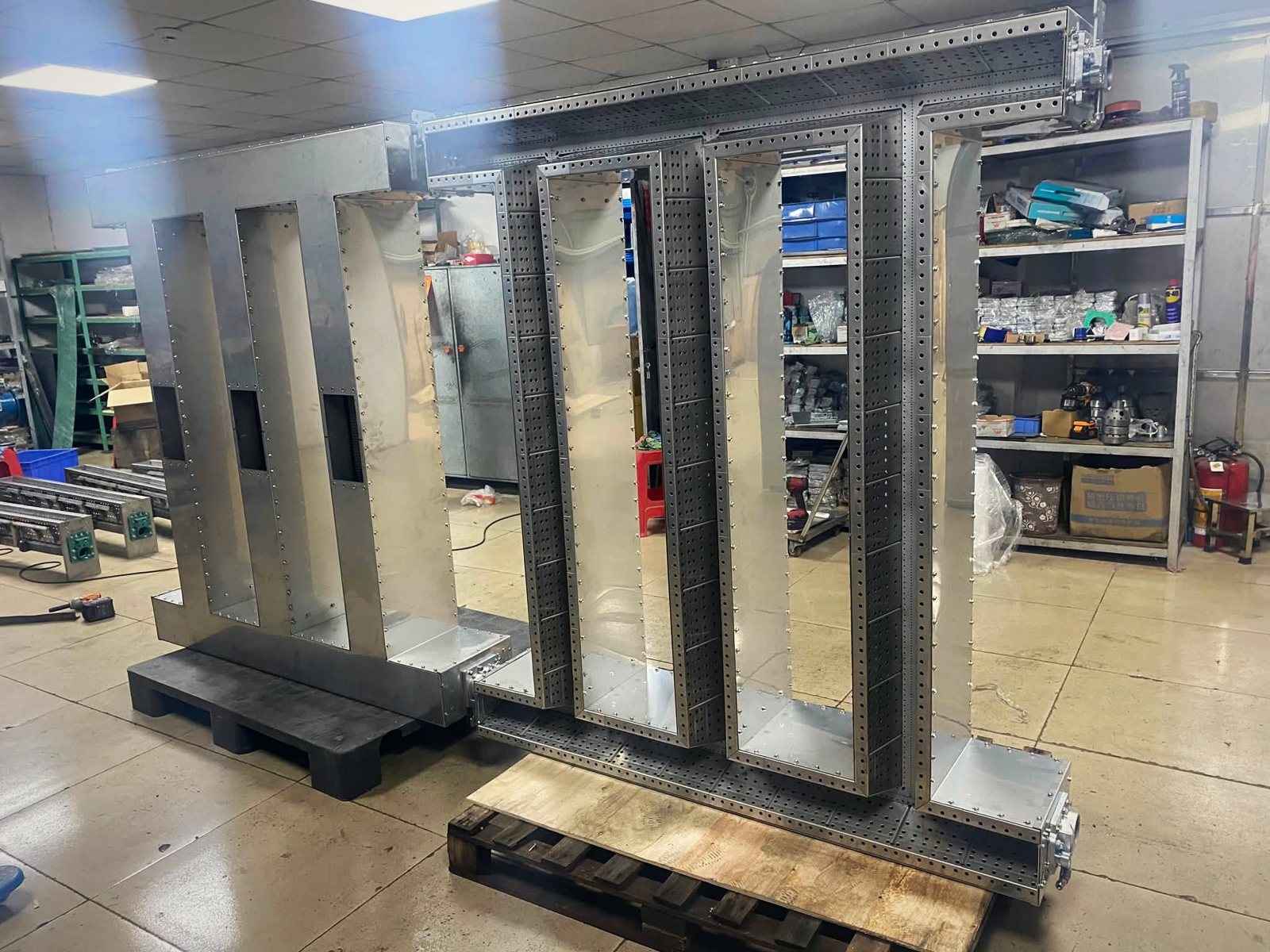
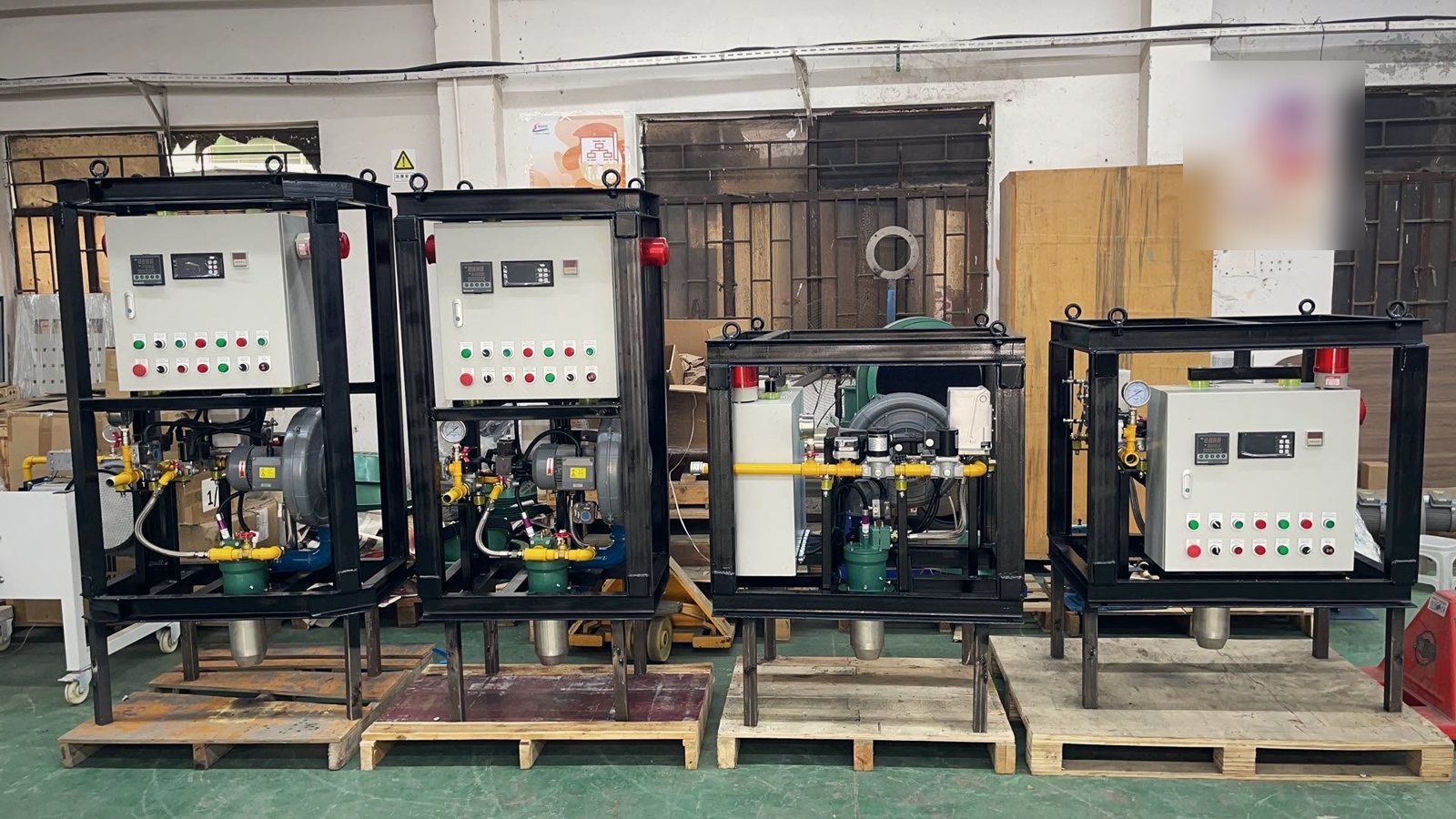
We ship wherever there is a port. Tell us your country, fuel and power supply, and we will tell you what needs to change in the design.
A nameplate photo, or your heat load, fuel and gas pressure. The reply comes from an engineer.
WhatsApp an engineer → [email protected]